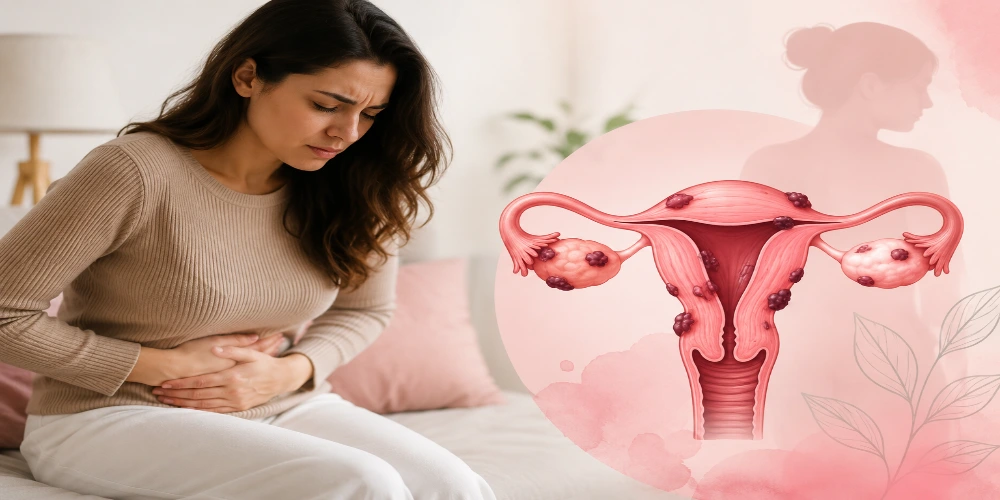
Understanding the Condition
Many women experience menstrual discomfort and assume it is a normal part of life, which often delays proper diagnosis and treatment. However, persistent pain, heavy bleeding, and discomfort during everyday activities may indicate an underlying reproductive health concern that deserves medical attention. Recognising early signs of endometriosis can help individuals seek timely medical evaluation before symptoms become more severe. Paying attention to recurring patterns instead of ignoring them supports better long-term health outcomes. Learning about these symptoms encourages informed discussions with healthcare professionals and improves awareness of a condition that can affect fertility, daily routines, emotional wellbeing, and overall quality of life for women across different age groups.
Common Symptoms That Should Not Be Ignored
Although symptoms vary from person to person, several warning signs are commonly reported. These may gradually become more noticeable over time or worsen during menstrual cycles.
- Severe menstrual cramps that interfere with daily activities
- Heavy or prolonged menstrual bleeding
- Pain during or after physical intimacy
- Chronic pelvic or lower back pain
- Pain while passing urine or bowel movements during periods
- Fatigue that continues throughout the menstrual cycle
- Difficulty becoming pregnant despite regular attempts
Experiencing one or more of these symptoms does not automatically confirm a diagnosis, but they should never be ignored. A thorough medical assessment helps identify the underlying cause and guides appropriate treatment based on individual needs.
Why Early Diagnosis Matters
Receiving a diagnosis at an earlier stage allows healthcare providers to recommend suitable treatment plans before complications progress. Identifying early signs of endometriosis helps reduce the risk of chronic pelvic pain, fertility-related challenges, and unnecessary delays in care. Diagnostic evaluation may include reviewing medical history, pelvic examination, imaging tests, or additional investigations depending on symptoms. Every patient experiences the condition differently, making personalised assessment essential. Lifestyle modifications, pain management strategies, hormonal therapies, and other treatment approaches may be considered according to symptom severity and future reproductive goals. Early intervention often supports better symptom control while helping women maintain normal daily routines with greater confidence.
Managing Symptoms and Supporting Long-Term Health
Managing this condition usually requires a combination of medical care and healthy lifestyle practices. Small changes can make daily life more comfortable while supporting ongoing treatment.
- Maintain a balanced and nutritious diet
- Exercise regularly according to comfort level
- Keep track of menstrual symptoms in a journal
- Follow prescribed medications consistently
- Attend scheduled follow-up appointments
- Manage stress through relaxation techniques
- Avoid delaying medical consultation when symptoms worsen
A personalised care plan developed with a qualified specialist offers the best opportunity for effective symptom management and improved quality of life over time.
Conclusion
Recognising unusual menstrual symptoms and seeking timely medical advice can make a significant difference in managing reproductive health. Early evaluation allows for appropriate diagnosis, personalised treatment, and better long-term outcomes. Consulting an experienced specialist such as Dr. Vimala Sohan Raj can help patients receive comprehensive care tailored to their individual health needs while supporting improved quality of life.
Frequently Asked Questions
1. What are the most common early symptoms women notice?
Many women first experience severe menstrual pain, heavy
bleeding, pelvic discomfort, fatigue, or pain during certain daily
activities.
2. Can early signs of endometriosis affect fertility?
Yes. While not everyone experiences fertility problems, early
diagnosis and treatment may help reduce complications and support future
reproductive health.
3. Is severe period pain always a sign of this condition?
No. Severe pain may have different causes, which is why
professional evaluation is important for an accurate diagnosis.
4. When should someone consult a specialist?
Medical advice should be sought if menstrual pain repeatedly disrupts
work, education, or normal daily activities, or if symptoms become
progressively worse.
5. How can patients choose the right healthcare provider?
Seeking evaluation from an experienced specialist, such as Dr.
Vimala Sohan Raj, helps ensure a comprehensive assessment, accurate
diagnosis, and personalised treatment recommendations for long-term
reproductive health.